You Need, You Need, You Need, You Need – 120225

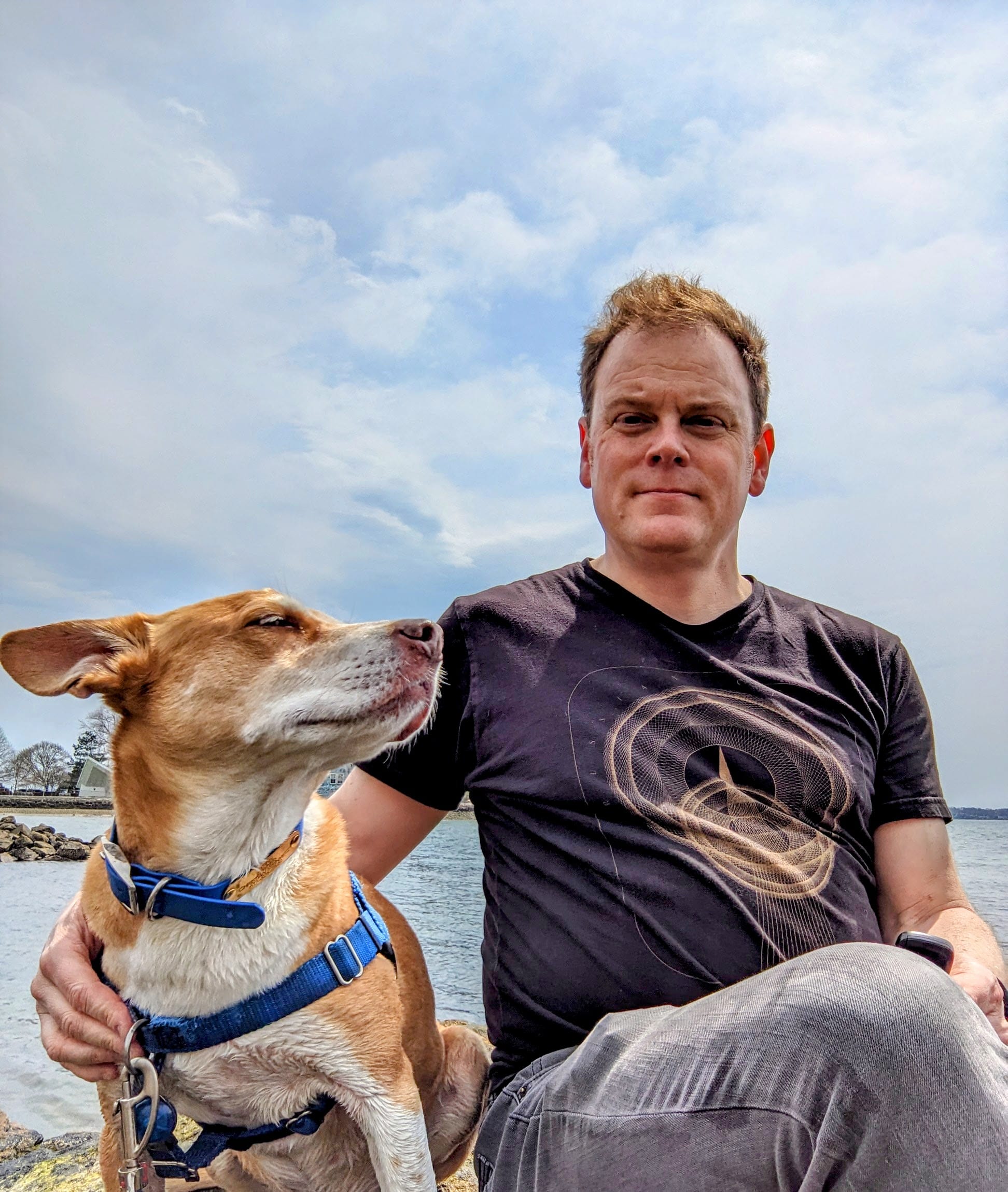
This newsletter was originally structured around Maslow’s hierarchy of needs. That project got blown up when I started writing to you from a place of crisis after two of my dogs died and my marriage ended.
Essie Blue died first, from lymphoma in November of 2022. I separated from my ex two months later at the end of January 2023. I adopted Diesel during the summer of 2023 and finalized the divorce in October that same year. After selling our house and securing a new job in Massachusetts in 2024, Diesel died on our way across the country during an unsuccessful emergency surgery to remove a foreign object from his stomach. The last newsletter I sent out in March was a response to the urgent disaster that is the American federal government.
It’s been a long time since you’ve heard from me when my nervous system was calm.
It’s been fifteen months since Winn and I returned to New England after Diesel died. I’ve spent much of the time since putting myself back together and focusing on resilience and healing. I’m ready to share an update that’s not entirely about grief or political anxiety.
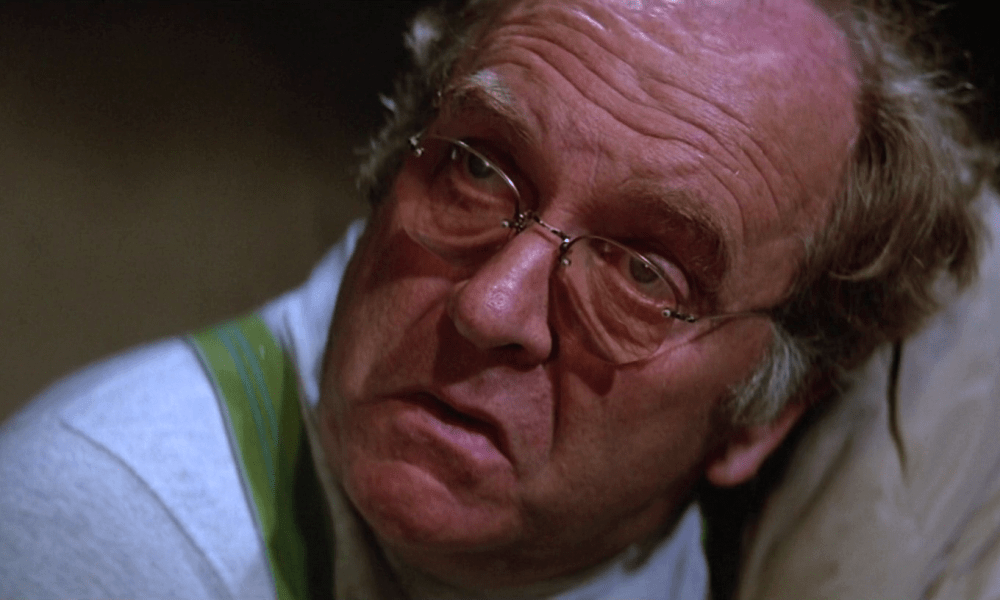
In the words of Wilford Brimley in John Carpenter’s The Thing, “I want to come back inside, don’t you understand? I’m alright, I’m much better.”
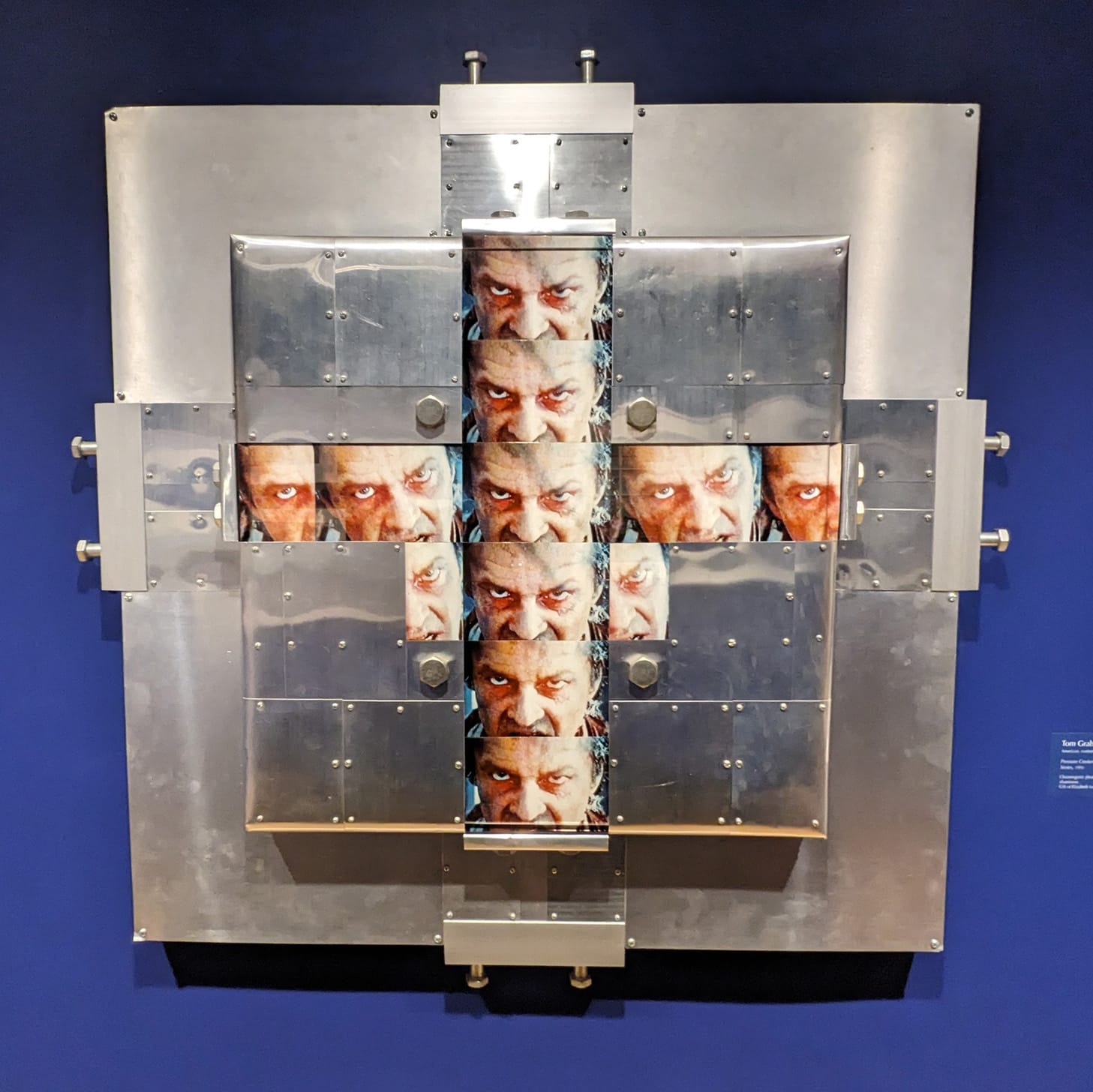
As I started thinking about returning to Maslow for this newsletter, another movie quote kept popping into my head. There’s a scene in Pollock, when Marcia Gay Harden’s Lee Krasner argues with Ed Harris’ Jackson Pollock about why she doesn’t want to have children with him.
She yells at him, “You need, you need, you need, you need!”
When I first saw that film twenty-five years ago, I thought the depiction of Pollock’s messy life was amusing, but tragic. Over the years I’ve returned to that portrayal as I’ve grown. Enough time has passed that I’ve watched creative people my age self-implode, crash, and burn, like Pollock did.
I’m not an alcoholic or a womanizer like Pollock, but before therapy and medication, my anxiety and depression made me a difficult person. Let’s be honest, even without those mental health conditions I can be stubborn, direct, and critical.
Like Krasner, my partners were sometimes in a state of vigilance, walking on eggshells, trying to manage my moods while sacrificing their own needs to keep the peace. Between therapy and medication, I feel like I left that behavior behind fifteen years ago. But I still see Pollock’s story as a cautionary tale of what can happen when a creative person cannot regulate their emotional volatility.
What I’ve learned is that the regulation Pollock was missing begins with self-reflection. For me, it provides a realization of what’s missing from my life, what I need. This newsletter was meant to serve as a space for that reflection. Its public distribution was designed to hold me accountable to what I write here.
Like Jackson Pollock (and probably you) I need. Not just to survive, but to be motivated. To try to be a functional, stable, balanced, dare I say, content person. There are hordes of people who move through life unsatisfied. I don’t want to be one of them.
Below I’m going to share with you an update on my life over the last year and change. If we’re returning to this newsletter’s original purpose, it’s also going to be about realizing what I need right now, so I can do something about it and continue growing.
In the process I’m going to tell you about: exercise, meditation, therapy, housing, my job, activism, the spite of New Englanders, loneliness, my dog, my love of music, online dating, the evolution of grief, podcasting again, the Horror Writer’s Association, an assessment of my writing career, and my avocado plant.
Physiology
I need to be connected to my body
I have become a person who reads self-help books. Much of them say that managing grief begins by working with your physical body. Every morning I follow YouTube video trainers through a variety of floor exercises: crunches, burpees, V-ups, planks, Russian twists, and more. This gets my heart rate up, which helps me feel physically grounded and confident in my body as I go through my day.
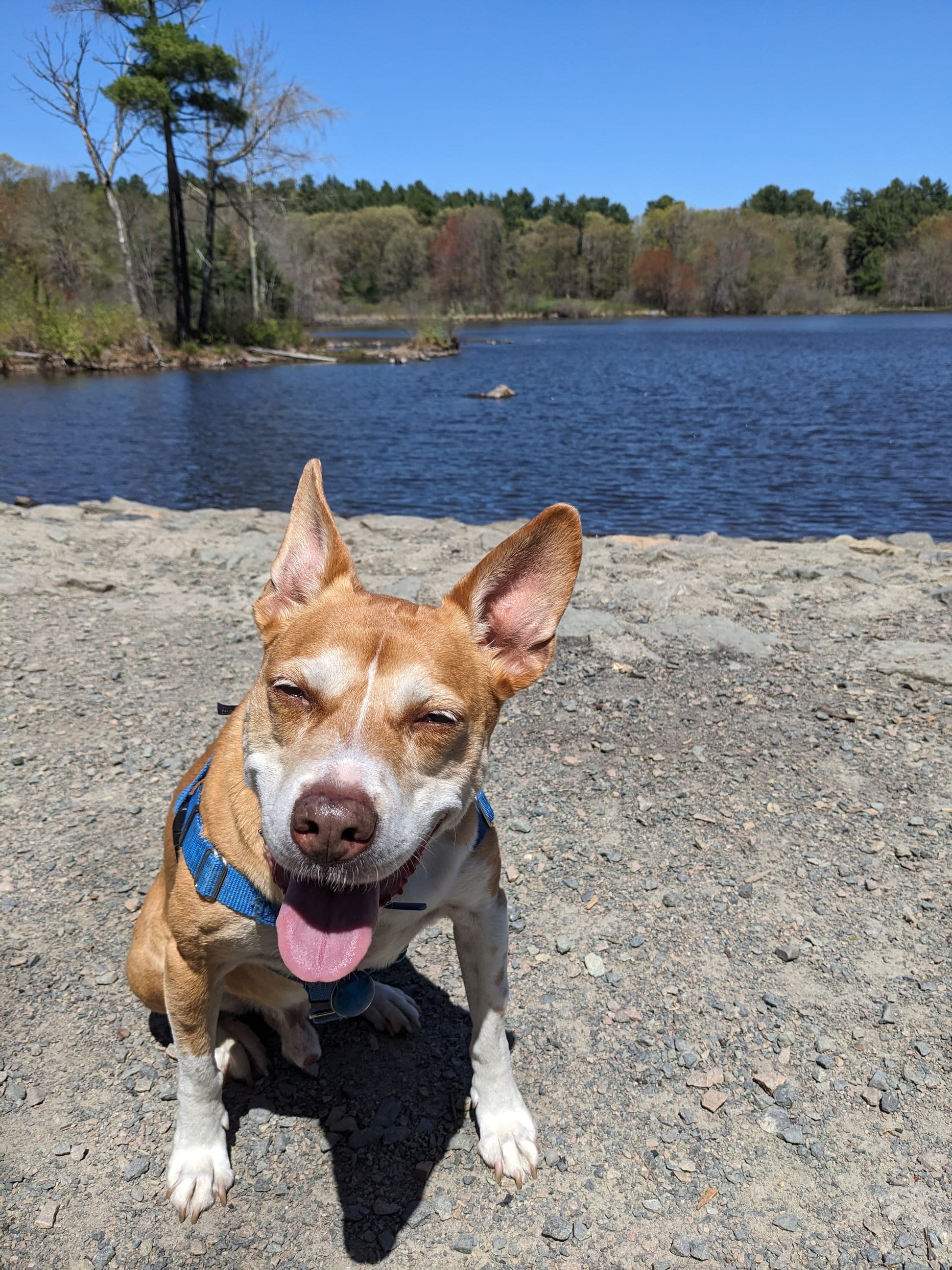
Winn and I also walk together daily. In Waltham, our favorite spot was Cat Rock Park, a 130 acre plot where dogs run off leash together through forest trails until they reach a pond at the center, all diving in together for a swim. Walking through Cat Rock represented restoration for me last year. In Winthrop we’re finding a similar sense of renewal at Deer Island and Winthrop Beach.
Once or twice a week I practice yoga with Black Widow Yoga or Health Goth Yoga, two mostly virtual studios hosting classes with punk and heavy metal soundtracks. In addition to yoga, I meditate daily. Every session I learn how to step outside my reactive thoughts, label them in the moment, and respond once my nervous system is regulated again. This, combined with some ashwagandha before bed, helps quell a series of nightmares that replay traumatic events from my past through the broken lens of a kaleidoscope.
My long-time therapist retired in 2024. But my new therapist works with me on further regulating the physical effects of anxiety through dialectical behavior therapy tolerance skills. I've especially found that temperature regulation has a calming effect for me when I immerse my face in cold water. Before my appointments I’m asked to submit the standard PHQ-9 survey for depression and the GAD-7 for anxiety. Over the last few months my scores have continually lowered as I put all of the above into practice.
Security
I need to feel secure where I live
My first year back in Massachusetts was spent in a one bedroom apartment in Waltham. There was a point in my former marriage where my ex and I swore we’d never live in a place like this again: three-story, multi-unit buildings, with paper-thin walls filled with holes and cracks. Bathrooms so small you can sit on the toilet and put your head in the sink at the same time. Pests the likes of roaches, earwigs, and silverfish scuttle between the walls.
For all that, you pay a premium price in the Boston area. After seventeen years of relative, double-income-no-kids stability, the cost-of-living here is so expensive that I’ve been thrown back into financial survival mode. I knew two things had to change when my Waltham lease ended in August. I needed to share housing to save money and I wanted to live near the ocean.
A view from Winthrop Beach at the beginning of a Nor’easter in the autumn of 2025.
I was born in Newburyport, a historic, coastal city that I only recently learned was the basis for the notorious town of Innsmouth in H.P. Lovecraft’s fiction. Maybe the reason the ocean’s been calling me since my divorce is because my amphibious genes are maturing, readying me to join the Deep Ones off Devil’s Reef as a son of Dagon?
Or maybe, the sensory experience simply relaxes my nervous system. The white noise of the waves, the windy fresh air, the gravity of the ocean’s pull, the immensity of it compared to my irrelevance. The sea helps me feel grounded and tranquil. The communities near it feel familiar and comfortable, the closest to “home” I’ve had in years.
I almost moved into a shared house in Lynn this summer with a woman who worked for the National Oceanic and Atmospheric Administration. But just before I signed a lease, her entire department was cut in the federal budget hack and slash. Instead of sharing her house, she decided to sell it and leave the state.
Instead, I landed in Winthrop, a peninsula jutting off the northeast corner of Boston. Winthrop, with its storybook, Amityville Horror houses, “No dogs on my grass” lawn signs, and plethora of thin blue line bumper stickers. Where the townies never leave and the seagulls grab the food off your plate. Winthrop is one of the few spots in Massachusetts that still feels like the towns of Stephen King’s classics: Castle Rock, Salem’s Lot, Derry. Every corner feels like it could hide a monstrous dog, an ancient vampire or a shapeshifting clown.
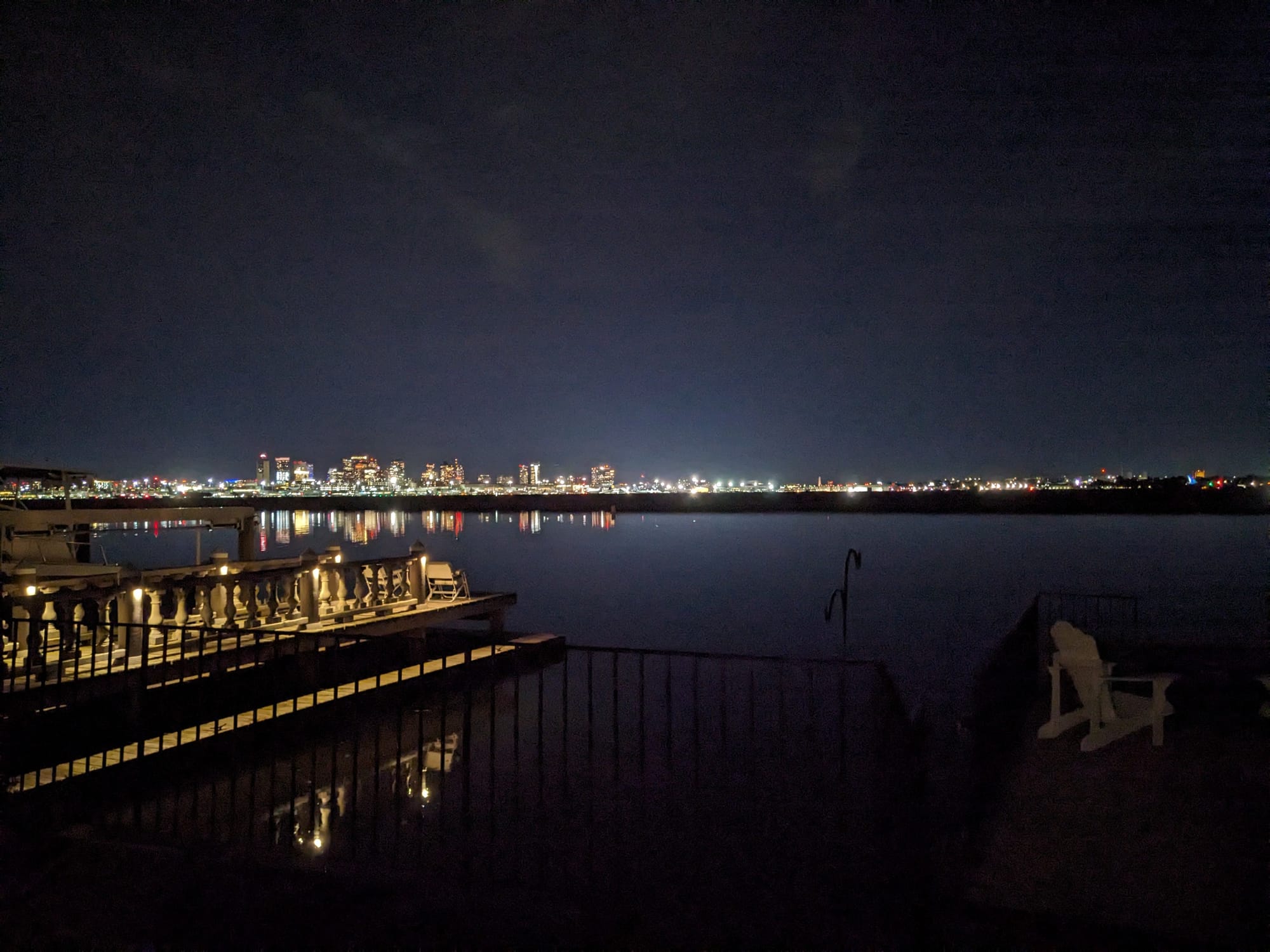
The house I’m living in currently opens onto where Boston Harbor wraps around Logan Airport. The landlord rents to a variety of short-term tenants and I share the bottom floor with two men in their thirties. I refer to it as “Slough House,” after the setting in Slow Horses where MI5 agents are banished to a life of meaninglessness after epically fucking up their careers.
Having roommates again in my forties is a learning curve I’m self-conscious about. It’s too early to unpack here, but I don’t enjoy it. The mess, the noise, the drama, the lack of consideration. These are all problems I thought I left behind a long time ago. I keep telling myself it’s worth it for the money I’m saving, but I’m also counting the days until my lease is up and I can find another solo apartment along the coast. Salem or Nahant are my dream destinations. I’d like to find somewhere I can settle, feel like I belong, and stay put for a couple of years.
Outside of my living situation, much of the last year has been about stabilization and reestablishing the basics. I’ve navigated finding a new doctor, therapist, optometrist, veterinarian, and mechanic, along with an assortment of dog care sites for Winn. My job isn’t perfect, but there’s no drama and I work on a beautiful campus with a genuinely positive community.
That university community really impressed me in its response to the political insanity we’ve experienced this year. When ICE started raiding locations in Metrowest Massachusetts, my university facilitated training for all staff and faculty by the Commonwealth’s Office for Refugees and Immigrants. That week, we distributed red cards across campus so everyone knows their rights when the time comes. When SNAP funding expired because of the government shutdown, the campus rallied to raise awareness of our students’ food insecurity and promoted a donation drive for our resource center. Students there donate their dining hall meals to their hungry peers. A professional development session quickly pivoted to become a support group for employees struggling with the anxiety of mass firings, economic instability, armed kidnappings, the assault on universities, and our now weekly revelations of sexual predators at the top echelon of society.
I’m grateful for my university's swift, non-performative responses. It makes me feel good about where I’m spending my energy and time. Otherwise, I do the best I can to actively resist the administration without burning out.
I resist the pleasures of doom, divest from colluding companies, participate in non-violent protests, call my reps, and donate to lawsuits, resistance organizations, and quality, investigative journalism outlets. Most of all I’ve realized that finding time to laugh, be in community, and celebrate the arts is the best way to prevent a collapse into outrage and paralysis.
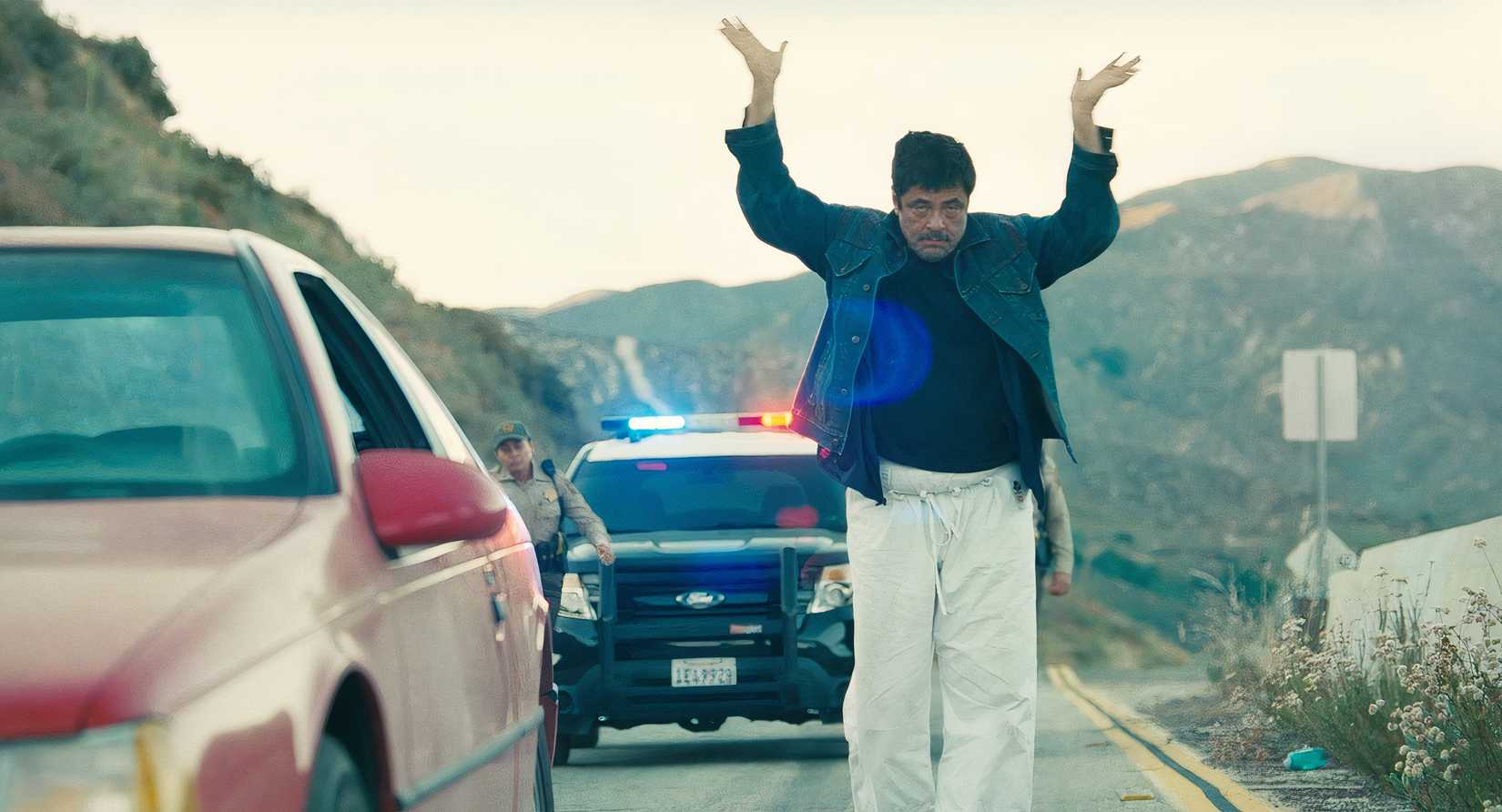
After watching One Battle After Another, my new patron saint is Sensei Sergio St. Carlos. Benicio del Toro portrays a role model for the kind of activists we need more of right now: calm, authentic, warm, direct, and one step ahead of the enemy.
Seeing that Portland, Oregon’s protest culture has followed suit with its response to threats of the national guard made me proud of my former city and nostalgic for what I left behind. I left Oregon for good reasons, but there are things Massachusetts is unable to provide me. I miss the Pacific Northwest’s weather and the murder of crows flocking around my home. There’s less vegan options here and the concert venues all seem to have made a devil’s pact with either Ticketmaster or AXS. There's no Queer Horror, Wyrd War, Movie Madness University, or heavy metal vegan dive bars. Massachusetts lacks Portland’s sense of playfulness.
I’d also forgotten just how ingrained a specific kind of reproachful meanness is here in New England. People here shrug their malice off as a quaint form of defensive compassion, blaming it on the cold weather. But after leaving and coming back I don’t think that’s always true. Like the previously mentioned Derry in It, there’s an underlying, self-centered spite to many of the people I encounter day-to-day.
In It the excuse is that prolonged exposure to Pennywise’s presence makes people cruel. What’s the excuse here? I’m currently reading Ben Wickey’s More Weight: A Salem Story about the Salem Witch Trials. It makes me wonder if there’s a historical precedent for the spiteful callousness in this region. Maybe the truth is that as a native son of Massachusetts, some of that meanness lives within me too.
Belonging
I need to connect with other people
I tell most people that I moved back east to be closer to my family and friends. That’s true to an extent, but it’s not how I pictured it would be. Everyone is busy with their lives and many of my friends have children, so it’s not easy for them to socialize. Some I see frequently, others less so. One friend disappeared entirely and I have no idea why.
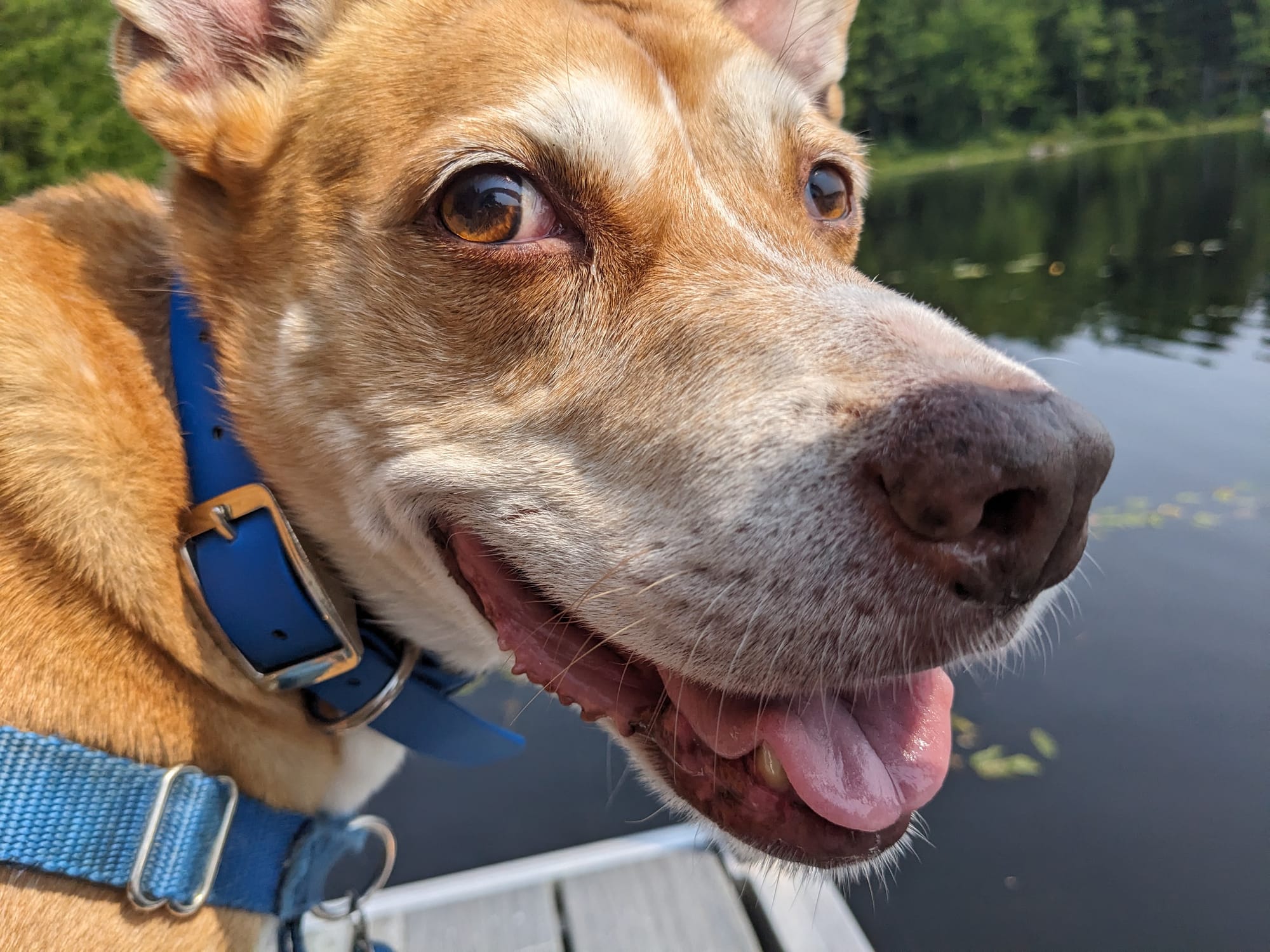
I still have Winn, who is twelve years old now. He’s been with me for 11 years, since Atlanta, through the move to Portland, back to Boston, and all the life changing events in between. I try to remember that he lost his family too, including my ex, two cats, and two other dogs. For the last year it’s just been the two of us surviving together.
I love Winn. But he can be a pain in the ass.
We’re more like the Odd Couple than we are Jon Snow and Ghost. He always drags when we’re walking, planting his paws dead into the ground with all of his weight just so he can smell a single blade of grass. He doesn’t like to be touched unless it’s on his terms and even then he’s squirmy and awkward to the point that it feels like he’s just trying to get me to move out of his way. He stares incessantly until he gets what he wants or yawns in frustration when he doesn’t. He barks. He keens. For the most part, all he wants to do is eat, sleep, and smell the piss of other animals.
Essie and Diesel behaved more like typical dogs: protective, loyal, curling up close, zooming around with joy. Winn is more like a cat than a dog. He’s demanding and his love comes with conditions.
When we go to dog parks he acts like it’s his first day in prison, picks out the largest dog in the yard, and tries to hump them into submission. This earned him the nickname “Humperdoo” long ago. But he’s always a beta pretending to be an alpha and it never goes well for him.
Winn also has deep separation anxiety and howls with loneliness if I leave him alone for more than forty minutes. This was a problem long before our recent isolation; he’s always been anxious and worried. But it’s grown worse without other dogs around to keep him company.
I’ve tried every training and medication. None of it works. I can’t just leave him to bark it out because I live in shared buildings with other people now. Besides, after all the training research, I now realize he’s suffering genuine panic attacks, each one setting him back further. Because of this I can’t make spontaneous plans and I spend hundreds of dollars a month on daycare and boarding just so I can go to work and maybe be social one night a week.
Despite all of this, he’s still my companion and provides emotional support. He’s good for my well being, offers comfort, and forces me to get off my ass and out into the world. We’re bonded and attached. He follows me everywhere and there’s a language between us that only we understand. And while he can be curmudgeonly, he still tilts his head in wonder, licks my face with affection, wags his tail, and occasionally curls up with me cozily. He’s older now, but under the right circumstances he’ll run with glee like a puppy. If he locates goose shit or a similar aroma, he’ll roll on his back and spin all over it in joy.
Winn rolling around in seaweed on Winthrop Beach in November.
So yeah, I’m lucky to have Felix Unger the dog as my constant companion. But even with Winn, sometimes I still feel lonely. I’ve recently learned something about that feeling from my self-help literature, specifically John Kim’s Single. On Purpose. There’s a difference between feeling lonely and identifying as a lonely person who believes there’s something wrong with them that keeps other people at bay. I am not the latter.
Kim also writes about the importance of connecting back to yourself after trauma by revisiting the times in your life when you felt the most alive, in touch with your best self, and comfortable in your body.
I feel the most connected to my body when I’m either swimming or practicing yoga.
I’m my best self when I’m writing.
But it's through music when I feel the most alive.
From the ages of 17 to 25 this took the form of playing guitar and singing in bands. I wasn’t very good at either and in my early twenties I realized writing was more my calling. But I still avidly listen to music today, both old and new.
There’s a tendency in middle age to ignore modern music in favor of our nostalgia for what’s called the reminiscence bump, that period in our youth when our brains are resilient, protected, and primed for recalling events. The theory is that during our peak mental development we’re defining our identities through the rapid absorption of information. Later in life we’re nostalgic for our memories of that time because they increase the pleasurable levels of dopamine and oxytocin in our system. Music is especially effective at triggering the recall that releases those hormones.
That’s might be why all your favorite bands from the 90s are reuniting. I’m partake in these tours, recently catching Shudder to Think, Cap ‘n Jazz, Bob Mould, J Robbins, Karate, Nick Cave & the Bad Seeds, Superchunk, and Hot Water Music. All are musicians I discovered between the ages of 14 and 20. The reminiscence bump works; my hormones flowed so copiously during Shudder to Think’s performance that I might have been the happiest I’ve felt in years.
At the same time, there’s an onslaught of new music released every week that feels impossible to keep up with, especially with the advent of streaming services. To stay tuned into new music I throw any albums I find interesting into a massive annual playlist. Then I listen to that on continuous shuffle all year and add the albums I really connect with to an annual playlist of favorites.
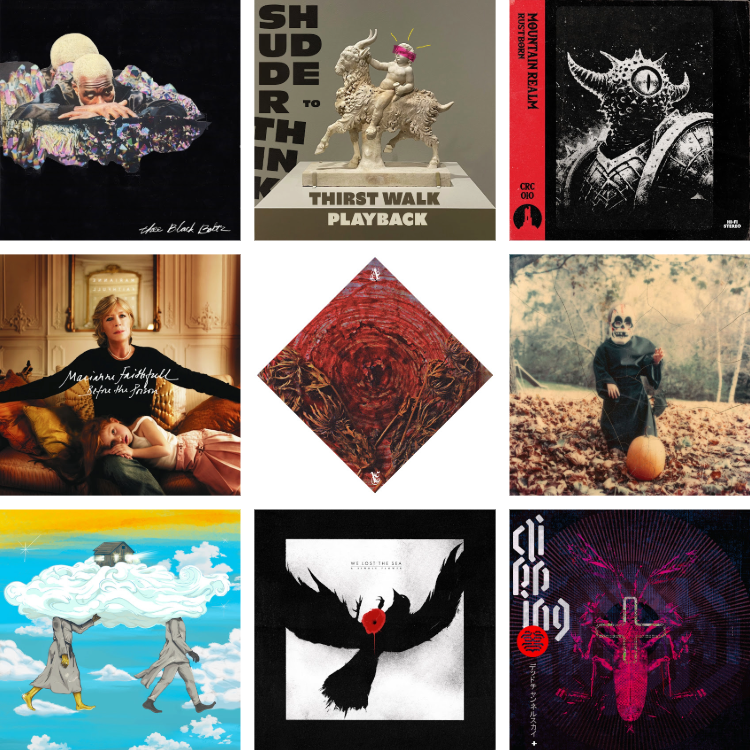
I don’t know if there’s any research into this yet, but I like to hope that keeping up with more than just the sounds of yesterday is good for my brain. Possibly it keeps my mental absorption rate from deteriorating into a constant search for hits of pleasure.
I hope so, because earlier this year I entered into the addictive and exhausting world of online dating. I’m working on notes for a longer piece about this experience, but can give you the basics from my perspective. Many of my middle aged friends seem equally fascinated and horrified by the prospect of it, so maybe you will be too.
Online dating has a similar cause-and-effect release of feel-good hormones to the reminiscence bump. It's gamified to produce dopamine hits, using a variable ratio reward schedule to disperse your matches, like slot machines in a casino. I’ve gone on dates with 13 women this year and while many of them are great people, we didn’t connect romantically. There were two nurses, a paralegal, a psychologist, an author, a stand up comedian, a librarian, and more.
Everyone I’ve met who is on a dating app hates it. And yet, we still keep pulling the lever on the slot machine. Our return on investment is low. Only 12% of adults say they have married or entered into a committed relationship with someone they first met through a dating site. You can imagine how draining it is to strike out 88% of the time, so I’m on a break right now in favor of meeting someone in person.
I realized that before now I never really “dated” the people I had long term relationships with. Many of my Gen X friends agree – the way we met our partners was by spending time with them as friends first, hanging out together until we eventually ended up making out. The next day? Ka-pow! We woke up in a committed, long term relationship, with little discussion about what that entailed. Maybe that kind of start also contributed to how those relationships eventually dissolved?
That may not have been the ideal way to start a relationship, but I find the hurdles with online dating are significantly more frustrating. Each app constantly upsells you to provide the most basic service advertised. Swipe culture lowers your chances of meeting a genuine match and contributes to burnout. I try to be discerning, read through the profiles, and judge prospects on more than just their photos. But there is a sea of thirst traps, bots, ethical non-monogamists (sorry, not for me), and basic, boring profiles to wade through before finding someone I think I might connect with. If “coffee” is one of your top five interests in life, you are dull as a doorknob.
Many profiles use buzz terms like “mindfulness” or “emotional intelligence” that are high on my list of relationship requirements. But there’s also a wide chasm between how we each define what those terms actually mean. Those discrepancies are often revealed after a match. If you can navigate through the minefield of swiping and messaging, there’s still a good chance that the person you’re chatting with will ghost in the middle of your conversation.
Given all that, I count myself lucky to have gone on as many dates as I have this year. Through getting to know those people I’ve learned more about myself and what I need in a future partner. I didn’t have great role models for positive, loving, caring relationships while I was growing up, but I now understand that my requirements for a partner include skills like emotional regulation, transparent communication, graceful conflict resolution, and self-awareness.
It turns out my requirements are also the traits that psychologists John and Julie Gottman attribute to “relationship masters,” couples who know how to navigate their relationships with skill. Sure, there are other desires and nice-to-haves that I’m looking for, but my focus is less on those and more on what I need to be happy and satisfied in the long term. In the meantime, I can wait.
Esteem
I need validation
On the anniversary of Diesel’s death I donated a few bags of dog toys and supplies to a local animal shelter and sent a monetary donation to another. Winn and I went to Cat Rock Park that afternoon, delightfully surrounded by other dogs. At the end of the day, I sat with my thoughts and journaled.
I realized then that I’ve achieved a sense of peace about Diesel’s death. It no longer feels like my fault. I know that feeling guilt over it in the first place was the antithesis of his joyful nature and he wouldn’t want me to carry that pain. He was above things like blame and guilt, somehow magical in a way I realize I’ll never truly understand. His full story will forever remain a mystery.
When I hold his ashes now I feel comfort, as if he were here, laying his head on my lap. It’s time to abandon the “why” of his life and death, in favor of holding onto the reassurance he left behind. This feeling of comfort may be delusional on my part, but it’s more important to me to hold on to the sensation of being cared for than it is to have all the answers.
Not long after the anniversary, I lost another friend to death. Forrest Hale was the father and father-in-law of my friends Carrie and Blake. The latter leads the movie club I’ve participated in for the last two years. I first met Forrest at their wedding years ago, but it wasn’t until he joined the movie club that we got to know one another.
Forrest’s passing wasn’t a surprise. He’d been sick for a while and chose to no longer prolong the battle. I appreciated his presence at the club’s biweekly meetings, where he offered a model of aging gracefully with a life well lived. It was especially inspiring that he was game for talking with us – movie nerds twenty-five years younger than him – about anything, even if the subject matter were as uncomfortable as the chicken torture in Pink Flamingos or the neon gore of Suspiria. Forrest was considerate and calm in a world that’s increasingly less so.

Participating in the movie club is one of the factors that made me want to return to the Supercontext podcast with Charlie Bennett. The club’s conversations reminded me of the best Supercontext episodes, where we learned new insights about some book, film, or album while building the groundwork for a lifelong friendship.
Another factor was critic Alice Florence Orr including us in a published list of podcasts she wished would return. She articulated what made the show work before it became unsustainable to produce between exhaustion, COVID, and my competing personal goals. Orr’s since written an essay about our show titled “My Favorite Podcast is Back After 5 Years. Here’s What It Taught Me About Being a Critic.”
It is tremendously flattering to read something that engages so thoughtfully with my own work. Supercontext may not get a million downloads a month or rake in advertising dollars from underwear and pill companies. But our listeners are dedicated and reflective people who validate our continuation.
In the seven months since returning we’ve published episodes about Brian Eno, An American Werewolf in London, Fluorescent Black, the third season of Reservation Dogs, Stephen Graham Jones’ The Only Good Indians, and Fugazi’s Repeater + 3. Coming soon we're releasing a deep dive into Philip K. Dick's Valis trilogy. We’re doing one episode a month, at a pace that’s more realistic and less interested in turning the show into a job. We’ve got a Patreon still, but the only tier is a dollar a month for all our old paywall episodes.
Feel free to listen. Or don’t. This time around it’s for us first.
Speaking of activities that build relationships and connection, all the “being single and middle aged” advice I’ve read recommends getting involved in peer-oriented groups to feel connected again. They suggest things like hiking clubs or volunteering at a food bank.
I considered volunteering at an animal shelter. But the ones nearby requested I prepare for the possible euthanasia of the animals they care for. I don’t think I’m capable of that yet, so I found an alternative organization where the killing is only fictional.
I’ve been a paying member of the Horror Writers Association off and on for several years, but it wasn’t until this summer that I attended their annual conference StokerCon. I took a vacation in early June and drove down to Stamford, Connecticut for the conference. I’ve attended, tabled and been a guest at fan conventions for almost 20 years. But this was my first experience where everyone was a peer within the same creative community.
Guest of Honor Joyce Carol Oates remarked at one point, “Many people who write think differently from others. They have a unique perspective. But this perspective tends to give them dark moments that they have to rise up from.”
Hearing that rang home loud and clear. I felt like I was with my people, like I belonged there. I was with others who’d been lost in the dark and maybe found their way out of it.
That week I attended panels about roleplaying games, podcasting, sex in horror, parents in horror, editing, beta reading, the Jaws 50th anniversary, and what a successful career in writing looks like. That last topic permeated the entire event and surfaced a question of legitimacy that I wasn’t anticipating amidst all the camaraderie. Were we actually all peers?
At events like this there’s a tension between traditional and independent publishing that leaves unspoken questions hanging in the air. Who gets to call themselves a “writer,” much less a successful one? Are those with agents, publishers, and contracts more authentic than those without? What qualifies a storyteller? The quality of their work? The quantity of their readers? Recognition from the gatekeepers in the publishing industry?
My work has mostly been independent, following the do-it-yourself ethics I learned from the punk scene. I’ve done everything from editing, design, fundraising, marketing, and project management to get my stories in the hands of my readers. Only one of my books was published by someone else and that experience wasn’t a smooth one. I’ve signed contracts, reviewed deals with lawyers, and negotiated terms of rights. For four years I was a salaried writer on staff with a digital media publisher. They screwed me out of compensation when my employment was severed unceremoniously. That screwing even included a non-disclosure agreement that prevented me from talking about it for twelve months. I haven’t seen it all, but I’ve seen a lot as a writer.
So I didn’t know how to respond when someone I just met at StokerCon asked me, “Where are you in your career?”
I think the pressure to define success in any writing community stems from how challenging it is to get published, much less make money doing it. At one panel, I was shocked to hear Paul Tremblay – one of the most popular writers in horror fiction today – admit that he still works a day job. At another, Tim Waggoner pointed out that there are more horror writers than ever before in 2025, but fewer readers. That means it’s more difficult to get published or build an audience. Adam Nevill (a successful self-published author since 2019) added this statistic: between 2010 and 2017, the quantity of published books went up 6,000%.
Competition is fierce.
Yet, the palpable sense of community at StokerCon outweighed the indirect judgement of success. The HWA creates a space of fellowship for many people who probably feel like aliens in their everyday lives. Sometimes the interactions were a little self-congratulatory for my taste, but for the most part the attendees supported one another, recognizing that they’re all in a constant uphill battle together, just to get more people to read the stories they pour their souls into.
After the conference I began participating in my local New England chapter of the HWA, helping where I can with their website and hoping to get a writing workshop group up and running. I already feel connections building with the other writers there and I’m thrilled to have folks to commiserate with again.

Self-Fulfillment
I need to write to be my best self
So where am I in my career?
Well, I haven’t published anything in five years beyond these newsletters. Before that I published four graphic novels, three short stories, several one-off comics, some anthology shorts, and a single issue of a magazine. I raised over $30,000 for these projects. I wrote hundreds of commercial videos, articles, and podcasts. I’ve co-produced over 200 episodes of an independent podcast.
If we’re being purely mercenary and quantitative about how to define a career, then based on the Horror Writers Association’s membership categories, I’m what they consider an Affiliate Writer, but not the top-tier, more established Active Pro.
While I compiled this newsletter, horror writer Alma Katsu published her own on a similar topic: “What does it mean to have a career in writing?” She starts with a financially motivated definition of success, stating that she’s long held the position that she won’t write unless someone pays her for it. At another point she cites her friend, writer J. Todd Scott, who says that a career in writing requires a publisher to validate your relevance. Eventually, Katsu reconsiders her position and wonders if it can be rewarding to write simply for the love of it.
That’s always been my goal. Maybe it’s my punk damage talking, but commercial sales are secondary to my other motivations for writing. I do it for personal fulfillment and growth. I try to forge connections with others and participate in a community of creative people. Within that community I hope I’m contributing to the ongoing dialogue between its past and future. I also write because I value the state of flow I achieve when I’m at the keyboard.
Don’t get me wrong, there was a good stretch in the 2010s where I desperately wanted creative writing to pay my bills. I envisioned a perfect trajectory from publishing independent small press stories to well paid work-for-hire. I was disappointed to learn the industry changed so drastically that the career path I imagined wasn't possible anymore.
So, where am I in my career? I’m at the point where I have enough experience to know the difference between financial success and personal satisfaction. The latter continues to be more appealing, but I wouldn’t say no to the former.
I’ve been doing this long enough that I realize it’s time to rethink my creative goals. I want to focus more on how my unique point of view sees the world. I’d like to consider my ideal reader more. Hearing valuable feedback from my beta readers will hopefully improve the quality of my craft. Maybe, if I accomplish these goals I’ll earn that Active Pro status and finally become a real boy.
I started writing fiction again a few months after I returned to New England. It had been over a year and a half since I paused to navigate divorce, the deaths of my dogs, selling a house, finding a job, and relocating across the country.
It was slow going at first, partly because the first thing I foolishly wrote was a short story based on the confluence of Essie Blue’s death and my divorce. When I finished the first draft it was 12,000 words long. I left it alone for a few months and worked on other stories. I got it down to 9K when I returned to edit the second draft.
My goal is to cut another two to three thousand words to get it into range for submission territory. Much of that first draft was about getting personal traumas into prose so I could process my emotions. Now it’s time to kill my darlings and make those details more than just journal therapy. Ideally I hope the emotional core of that story will resonate with readers while the other elements keep them turning pages. It’s currently titled, “Little Shadow.”
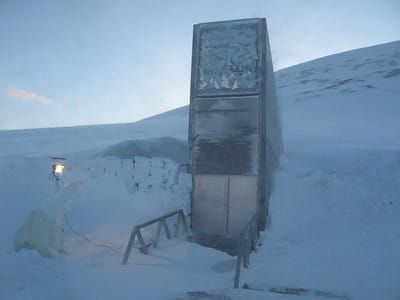
I jumped from one project bigger than I could chew to another. Project: Deadlast is my untitled manuscript for a novella I’ve been working on since the Fall of 2021. I might call it Forward to Death; still mulling that over. It’s a sci-fi horror story broken into short, serialized chapters designed to go out as weekly emails and eventually collected in a stylized hardcover. I want an illustration to accompany each chapter and a friend of mine has expressed interest in creating that art.
It covers themes I researched during my time on Stuff to Blow Your Mind: transhumanism, the case against space, cargo cults, Donna Haraway’s Cyborg Manifesto, the Svalbard Doomsday Seed Vault, and Sokushinbutsu monks. The short plot pitch: A family of transhuman explorers return to an uninhabited Earth after 10,000 years to raid the Doomsday Vault, where they encounter a mummified cult who consider their actions grave robbery.
Foolishly, I decided to rewrite the first 13 chapters of this thing. Once I got three in I realized it was too much for right now. I need to get back into fighting shape before taking on a project that cumbersome.
So it was back to the files. What was a small project, but enough work to satisfy me? What was the writing equivalent of those short floor exercises I do every morning?
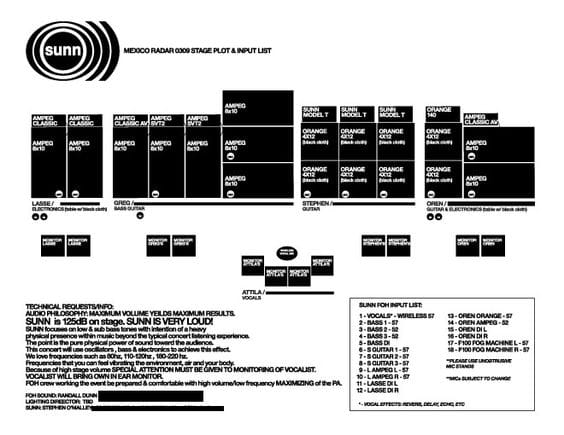
“Amplifier Worship” is a short story I previously finished and submitted to multiple publishers, with rejections across the board. I shelved it and knew I’d return eventually, using it for something new, probably of my own publishing. Despite the rejections, I have faith in this story.
It takes the form of an interview between a local scenester and a successful metal musician he’s had a bad run-in with before. Over the course of their conversation the musician obsesses over an obscure concert he attended, where the band’s performance forever changes the audience. It was inspired by my transcendent experience seeing Sunn for the first time, where I swore I saw a xenomorph crawling around in the rafters overhead.
After attending the beta readers panel at StokerCon I was motivated to find some people I trusted to give me feedback on “Amplifier Worship." I’ve incorporated their thoughts, revamped the whole piece and it’s ready to go out again. This time around I’m submitting to fiction podcasts in addition to prose publications.
I’m cleansing my palate with this newsletter and then it’s back to “Little Shadow” and a few other short stories. As any reader of this newsletter knows, I’m long-winded. My goal is to get these pieces shorter and shorter to increase their chances of publication. We’ll see.
Conclusion
When I first moved back, my friend Mary gave me an avocado plant as a housewarming gift. It was a few inches tall with several leaves already sprouted. Other friends gave me plants as well, but despite my best efforts I managed to kill them all. The avocado plant, despite some ups and downs, is still hanging in there. It has come to symbolize my growth and recession since acquiring it.
It grew quickly at first, so fast that I had to prune it midway last winter. The original stem still bears scars from where I used scissors to clip off the leaves that grew so large the plant collapsed under its own weight.
After the pruning, a second stem grew from the top, shot straight up, and a new batch of leaves steadily sprouted. But all those leaves died during my move from Waltham to Winthrop, probably because I left it in the car over several nights. Once settled, I brought it in, fed it Enviro Ice plant fertilizer, and watered it attentively. A third stem shot up even higher than the first and second, with a few new leaves.
We were back in growth mode until a few weeks ago, when all the leaves suddenly dropped off again. I think I over did it with the Enviro Ice and the roots rotted. I just repotted it, trimmed the rot, and transplanted it into fresh soil in a larger pot so it can properly drain.
That’s what this year has been like: fast growth, system shock, sudden decline, a reassessment of stress and self-care, rinse and repeat. I’m doing my best to keep growth stable, but environmental factors continue to set my progress back. I’m trying.
As Maslow predicted, self-preservation’s got to come first. But if the damage is too extensive, I may need to transplant somewhere cleaner, safer, and with more space for healthy development.
More on that next time.